Liberal Democracies
and the Torture of their Citizens
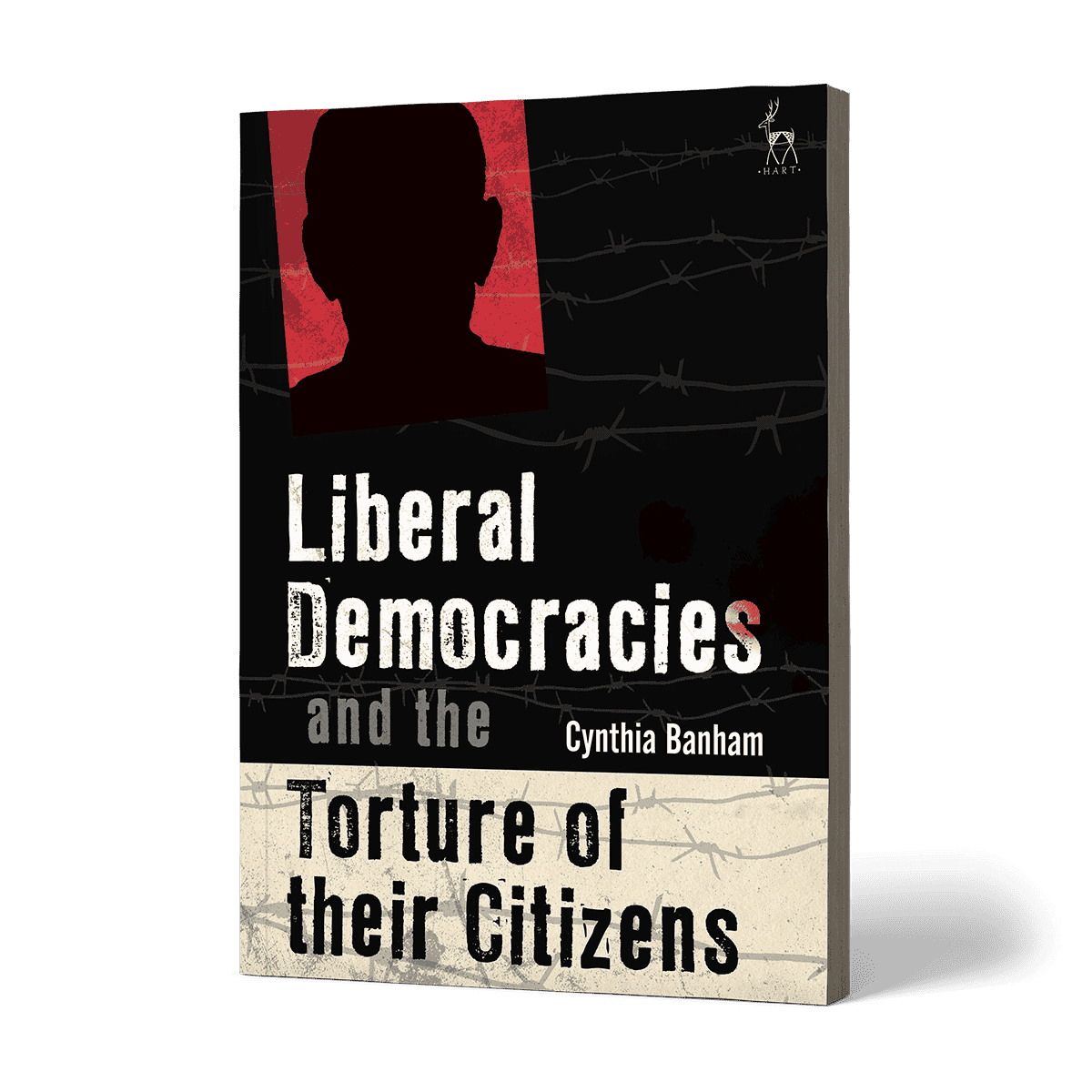
Liberal Democracies and the Torture of their Citizens analyses and compares how the USA's liberal allies responded to the use of torture against their citizens after 9/11. Did they resist, tolerate or support the Bush Administration's policies concerning the mistreatment of detainees when their own citizens were implicated and what were the reasons for their actions? Australia, the UK and Canada are liberal democracies sharing similar political cultures, values and alliances with America; yet they behaved differently when their citizens, caught up in the War on Terror, were tortured.
Reviews
'Former journalist and now academic Dr Cynthia Banham has written a clear, persuasive and meticulous account of how Canada, the United Kingdom and Australia responded to the torture of their citizens in the years after the 11 September 2001 attacks. …Banham’s key findings relate to the significance of political and legal factors for energising civil society, and the extent to which human rights activism is affected by differences between nations. This is of value for those wanting to understand how Western nations could permit or turn a blind eye to torture, as well as for those seeking a sophisticated case study of how civil society movements interact with democratic values and institutions.'
Professor George Williams, Law & History: Journal of the Australian and New Zealand Law and History Society
'[T]he contemporary literature on torture generally assumes that liberal democracies oppose torture and that agreement on this issue transcends ordinary political debate. Cynthia Banham’s impressive and essential book, Liberal Democracies and the Torture of Their Citizens, complicates this framework. … Banham’s grasp of the details of each country’s domestic political culture ensures a nuanced and convincing analysis. She demonstrates that human rights compliance in countries that perhaps too easily are thought of as obviously compliant is, in fact, complicated, fragile, and incomplete.'
Professor John T Parry, Criminal Law and Criminal Justice Book Reviews
'In sum, this book proficiently addresses an important subject, and will no doubt be of use not only to those studying human rights and the ‘war on terror’, but also to those interested in comparative politics and the role of domestic civil society in influencing foreign relations.'
Lisa Stampnitzky, International Affairs
'Cynthia Banham sets out to “examine the factors that promoted the toleration of torture by liberal democracies, and those that restrained such impulses”. Both the restraining and the enabling factors are of clear interest to social movements aiming to resist this almost universally condemned but widely practised crime of the contemporary state. Banham’s study is scholarly, empirically rich and detailed, and carefully measured in its conclusions. It is based on a close examination of a wealth of public documents, supplemented by interviews with selected key political and civil society actors, adding originality and insight.'
Professor Scott Poynting, State Crime Journal
ISBN: 9781509930067
Publisher: Bloomsbury Publishing